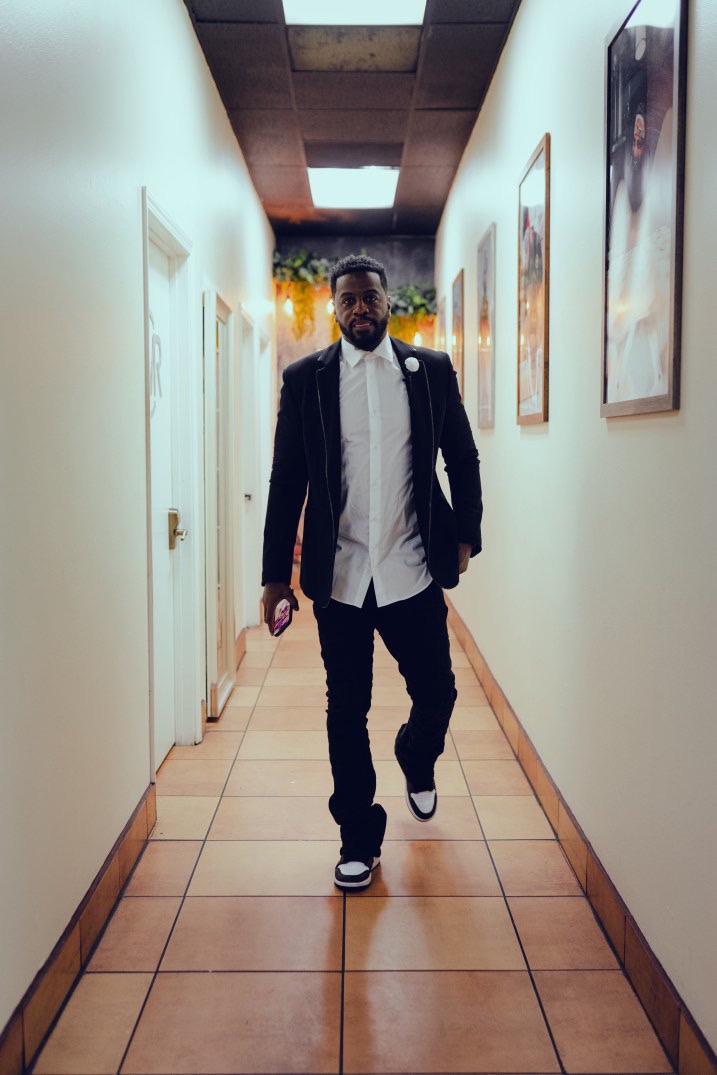
Former NFL Cornerback • Keynote Speaker • HS Football Coach
SHAREECE WRIGHT
The man who bet on himself when nobody else would.
Scroll
Former NFL Cornerback • Keynote Speaker • HS Football Coach
The man who bet on himself when nobody else would.

01 / His Story
Shareece Wright grew up in Colton, California. He earned a scholarship to USC and was selected in the third round of the 2011 NFL Draft. Over eight seasons he suited up for four teams. 79 games. 255 tackles. 36 passes defensed. Then came the $632 Uber ride that changed everything.
Read His Story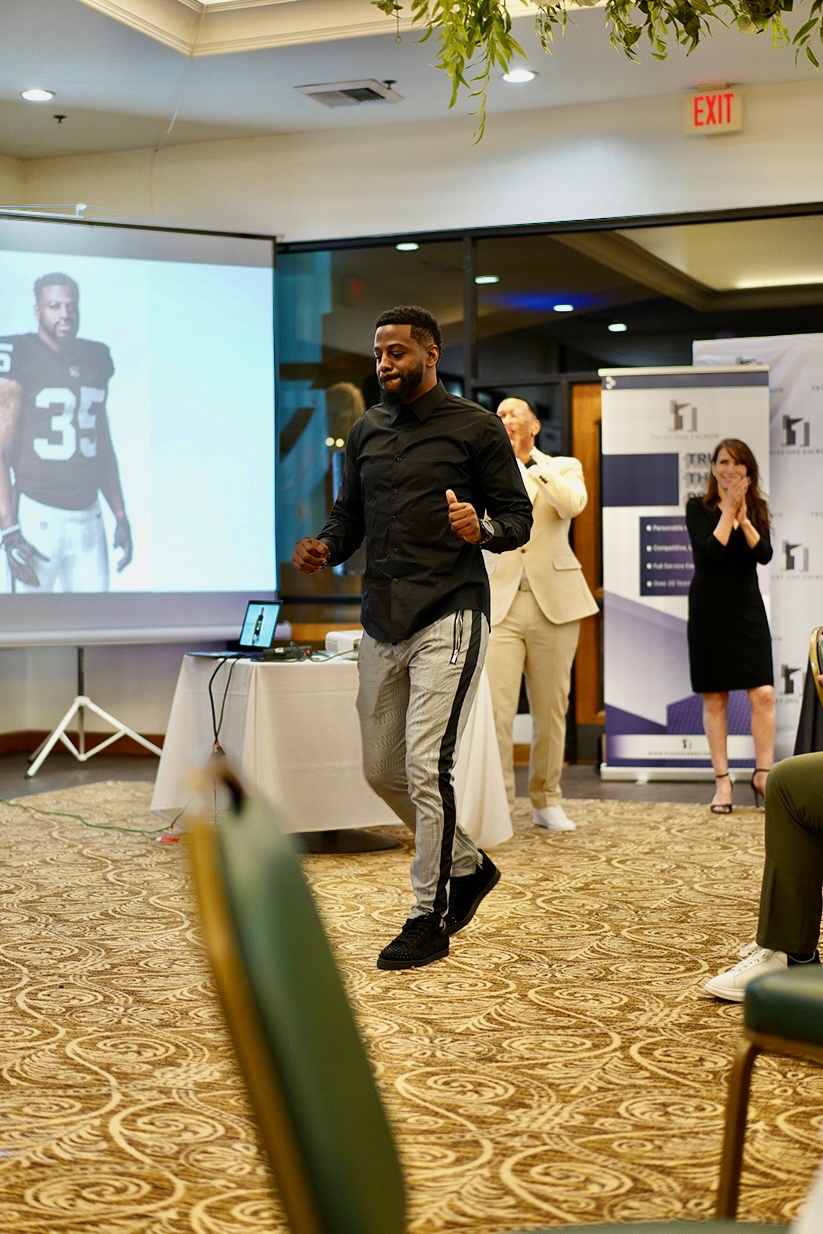
02 / Speaks
Shareece brings raw honesty and lived experience to every stage. His keynotes cover fentanyl awareness, survivor advocacy, mental health in athletics, and what it means to bet on yourself when the odds say otherwise.
Speaking & Topics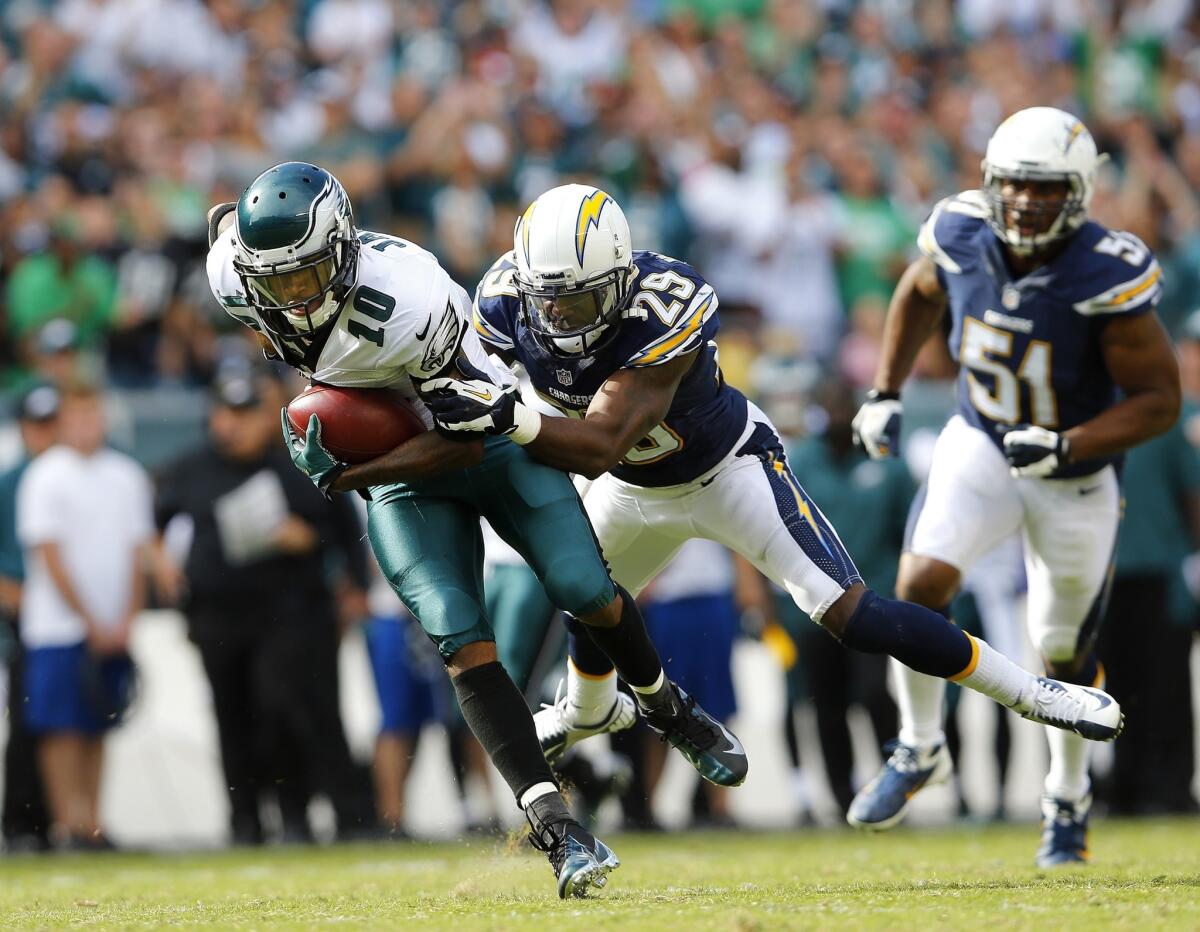
03 / NFL Career
From USC to the San Diego Chargers, Baltimore Ravens, Buffalo Bills, and Houston Texans. Eight seasons of professional football shaped the discipline, focus, and competitive edge that Shareece carries into everything he does today.
View Career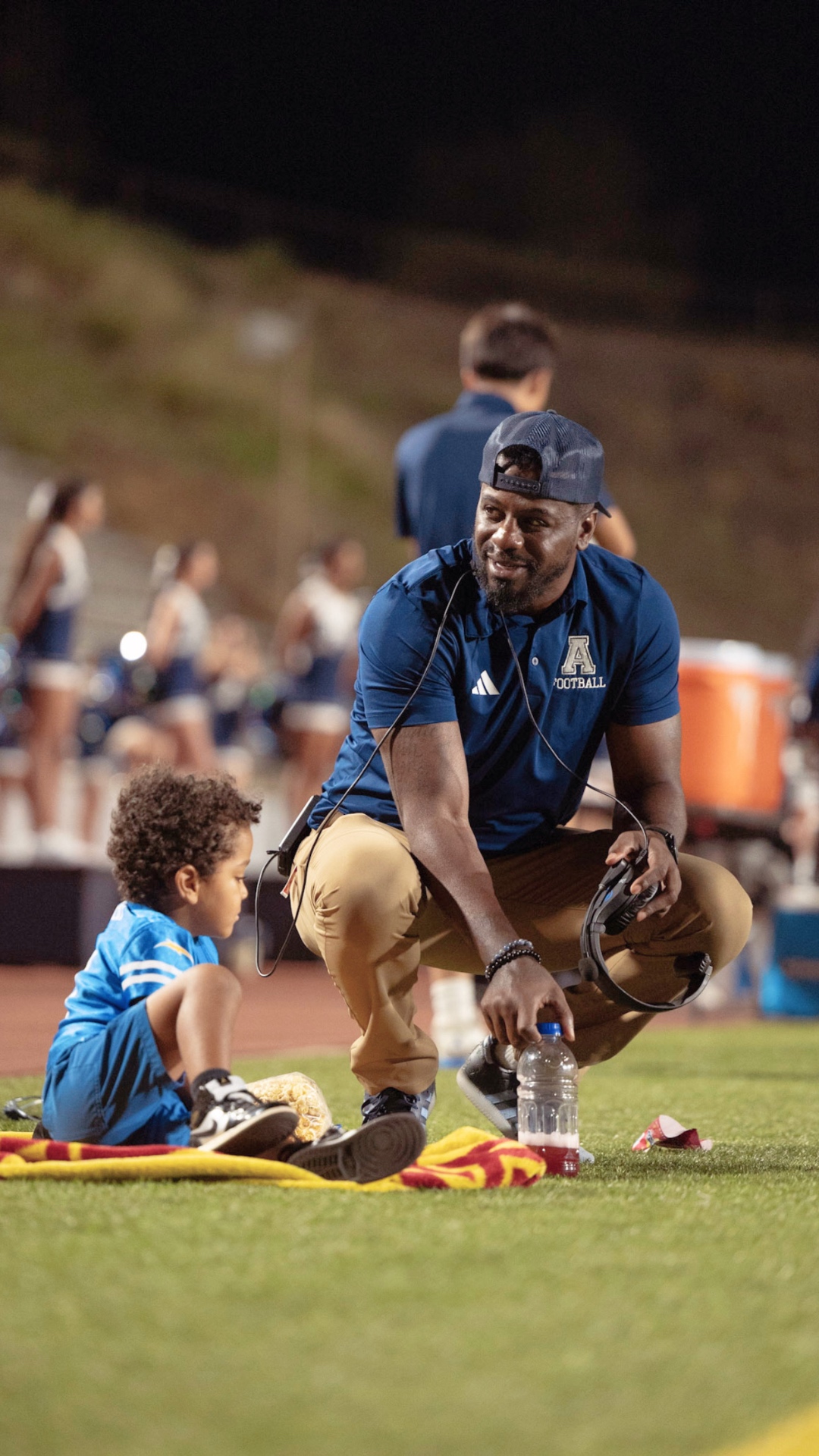
04 / Coaching
Shareece coaches the varsity secondary at Aquinas High School in San Bernardino, CA. He brings NFL-level knowledge back to the next generation, teaching technique, film study, and what it actually takes to play at the next level.
See Coaching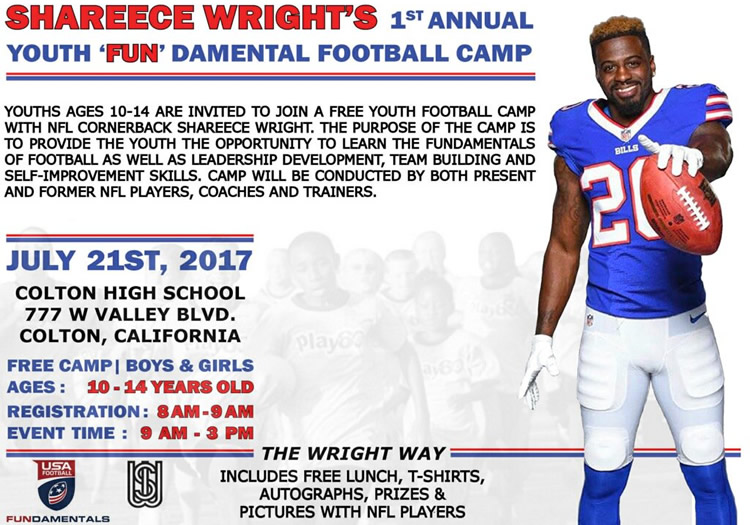
05 / Community
Every summer, Shareece returns to Colton High School and hosts a free football camp for kids ages 8 to 14. No registration fees. No equipment costs. Every kid walks away with a jersey, lunch, and time with someone who came from where they came from.
Community Impact
06 / Pursue
Pursue is Shareece's youth mentorship initiative for kids ages 12 to 17 in the Inland Empire. Not a sports program. A life program that uses the discipline of sport as a starting point. First cohort launching 2026.
Learn About Pursue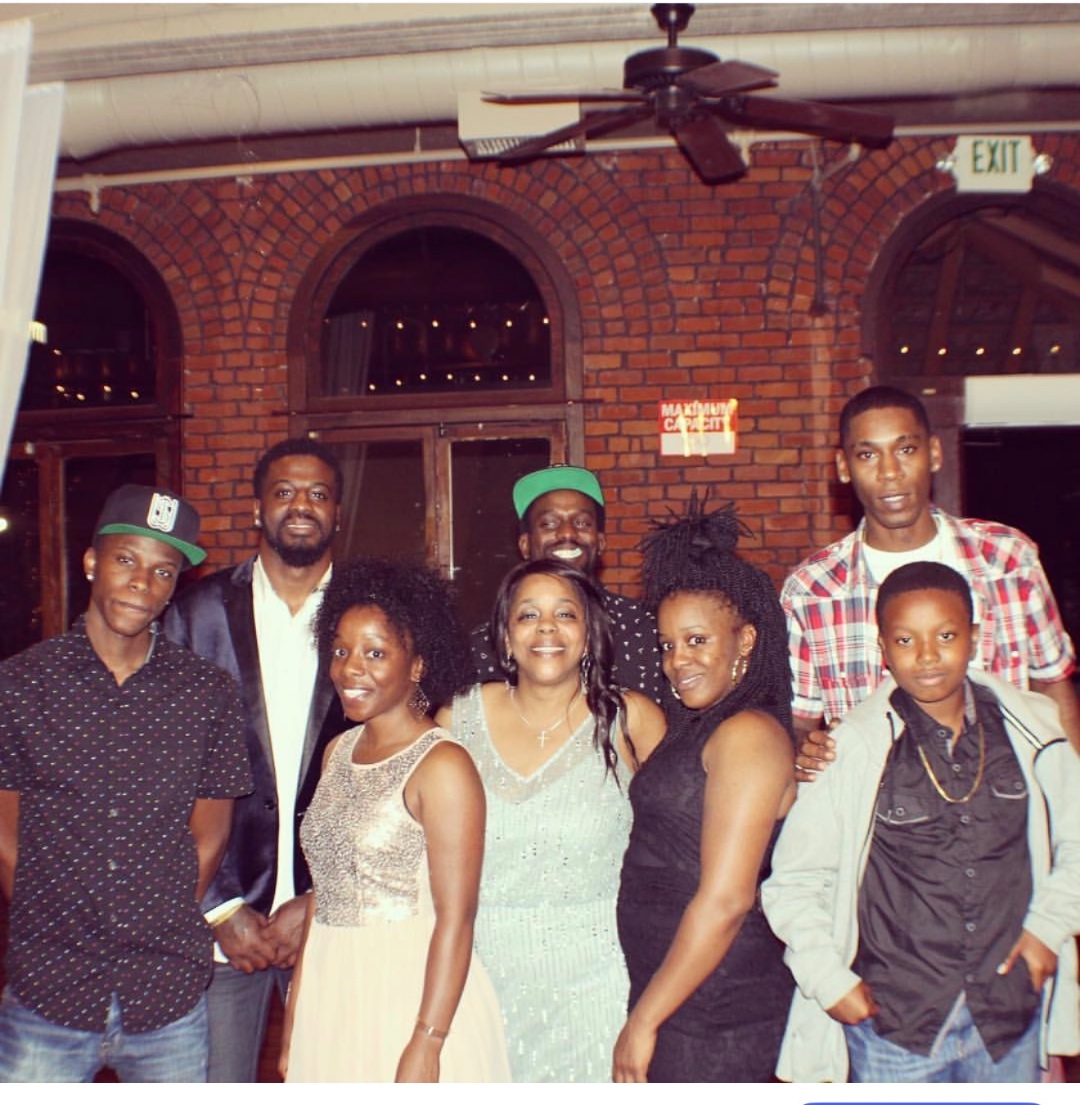
07 / RENEE Foundation
The RENEE Foundation is named after Shareece's mother, a single parent who raised six children while battling Lupus. She died from a fentanyl overdose caused by a counterfeit pill. The foundation carries her mission forward through scholarships, fentanyl education, Lupus research, and survivor advocacy.
08 / Ventures
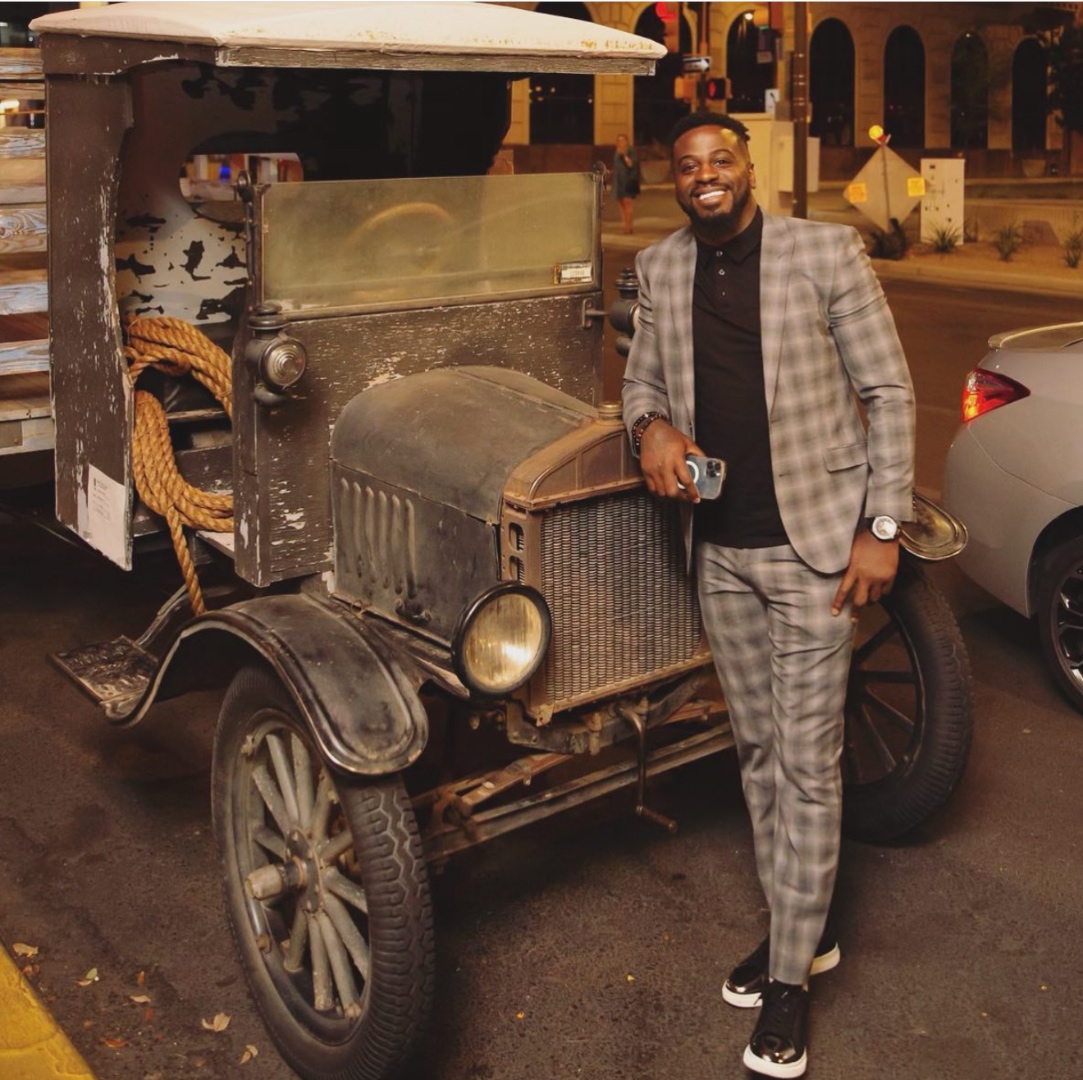
Shareece is an investor in "As Deep as the Grave," the first feature film to bring a deceased actor back to the screen entirely through artificial intelligence. The trailer has surpassed 5.5 million views.
Ventures & VisionFollow the Journey
Behind the scenes. On the field. In the community. Real moments, no filter.
Instagram feed loading soon